
Flood Recovery: Crews Move Furniture to Ready Basement for Cleanup
From #MovingWithLaura, helping Wisconsin family recover from recent floods. Your local mover can help when you need to move furniture around the home for disaster recovery or renovations.
Fresh Starts, Smooth Transitions: Downsizing Your Home Successfully
Whether you’re empty nesters ready to simplify, retirees seeking a maintenance-free lifestyle, or simply someone craving less clutter and more freedom, downsizing represents an exciting opportunity to reimagine your living situation. However, the process of moving from a larger home to a smaller space requires thoughtful planning and strategic decision-making. Here’s how to approach your downsizing move with confidence and create the streamlined lifestyle you envision.
Start with Your Vision, Not Your Stuff
Before tackling the daunting task of sorting through years of accumulated belongings, take a moment to envision your ideal downsized lifestyle. Consider how you want to spend your time, what activities bring you joy, and which possessions truly enhance your daily life. This vision becomes your North Star, guiding every decision about what to keep, donate, or discard.
Walk through your current home and identify items that serve multiple purposes or hold significant meaning. A dining table that doubles as a workspace, artwork that delights every time you see it, or kitchen tools you use regularly all deserve consideration. Items that haven’t been touched in months or years, however, likely won’t be missed in your new space.
Measure Twice, Plan Once
Understanding your new space’s dimensions prevents costly mistakes and unrealistic expectations. Obtain floor plans or measurements of your new home and create a scaled drawing or use online room planning tools. This exercise helps identify which furniture pieces fit comfortably and which ones need to find new homes.
Focus on rooms you’ll use most frequently: the bedroom, kitchen, and living areas. Prioritize furniture that fits both the physical space and your lifestyle needs. That oversized sectional sofa might need to be replaced with a smaller, more proportionate piece that still provides comfort without overwhelming your new living room.
Master the Art of Selective Keeping
Downsizing doesn’t mean keeping only bare essentials—it means being intentional about what you choose to keep. For sentimental items, consider keeping one or two representative pieces rather than entire collections. That set of your grandmother’s china might become a beautiful display piece, while the rest could be gifted to family members who will treasure and use it.
Apply the “one in, one out” principle as you pack. For every item you decide to keep, challenge yourself to find something else to release. This method prevents clutter from accumulating, which can happen when a downsized area becomes messy again over time.
Handle Sentimental Items with Care
Sentimental belongings often present the biggest downsizing challenges because their value isn’t measured in practicality but in emotional significance. Create categories for these items: must-keep treasures, items to pass along to family members, and pieces that can be honored through photography before letting them go.
Consider digitizing documents, photographs, and children’s artwork to preserve memories without requiring physical storage space. Many professional services can convert photo albums, slides, and home videos into digital formats that take up virtually no space but preserve your precious memories forever.
Maximize Storage in Your New Space
Smaller homes require creative storage solutions that maximize every square inch. Invest in furniture with built-in storage: beds with drawers underneath, ottomans that open for blanket storage, or dining tables with leaf extensions for occasional entertaining. Vertical storage solutions like tall bookcases or wall-mounted cabinets draw the eye upward and create the illusion of more space.
Think beyond traditional storage areas. Under-stair spaces, closet organizers, and multi-functional furniture can dramatically increase your storage capacity without cluttering your living areas. The goal is to have a designated place for everything so your new home remains organized and peaceful.
Plan Your Moving Day Strategy
Moving day for a downsizing relocation requires special consideration. Since you’re likely discarding many items, coordinate donation pickups and disposal services well in advance. Some moving companies offer junk removal services, which can streamline the process by handling both your move and unwanted item removal simultaneously.
Pack items you’re keeping in clearly labeled boxes, and have a separate staging area for items being donated or gifted to others. This organization prevents valuable items from accidentally ending up in the wrong pile during the hectic moving day process.
Embrace Your New Beginning
Downsizing represents more than just moving to a smaller space—it’s about prioritizing experiences over possessions and creating a home that supports your desired lifestyle. With less stuff to maintain, clean, and organize, you’ll have more time and energy for the activities and relationships that matter most to you.
Simplify Your Move, Maximize Your Future
Ready to embrace the freedom that comes with downsizing? Let our experienced team help you transition smoothly to your new, simplified lifestyle. We understand the unique challenges of downsizing moves and provide compassionate, professional service every step of the way. Contact us today to start planning your successful downsizing journey.
Managing Family Logistics During a Move
August brings a flurry of activity for families everywhere—summer vacation ends, school supplies hit the shelves, and the countdown to the first day begins. Add a household move to this mix, and you might feel like you’re juggling flaming torches. However, with strategic planning and a few innovative approaches, you can manage both transitions smoothly without sacrificing your sanity or your children’s comfort.
Coordinate Your Timeline Around School Schedules
The key to a successful back-to-school move lies in coordinating your timing. If possible, complete your move at least two weeks before school starts. This buffer allows your family to settle into routines, explore the neighborhood, and locate essential services like the nearest grocery store or urgent care facility. Your children will have time to process the change and mentally prepare for their new school environment without feeling rushed.
When timing is tight, prioritize setting up children’s bedrooms first. Familiar bedding, favorite stuffed animals, and personal belongings help create an instant sense of home. Even if other rooms remain in chaos, having their sanctuary established provides emotional stability during this period of significant change.
Streamline School Registration and Documentation
New school enrollment requires a significant amount of paperwork that can easily become overwhelming during a move. Create a dedicated folder containing all school-related documents: transcripts, immunization records, previous report cards, and any special education documentation. Keep this folder with you during the move—never pack it with other belongings where it might get buried.
Contact your new school district immediately after confirming your move to understand their enrollment process and deadlines. Many districts allow online pre-registration, which you can complete while still living at your previous address. This proactive approach prevents last-minute scrambles and ensures your children can start school on time.
Pack School Supplies Strategically
Rather than buying all school supplies at your current location, research what’s available near your new home. Many stores offer back-to-school shopping closer to the start date, potentially saving you from transporting supplies across distances. However, if you’ve already purchased items, pack them in a clearly labeled box that travels with you rather than on the moving truck.
Consider creating individual school supply kits for each child, stored in backpacks they can easily access. Include basics like pencils, notebooks, and folders, along with comfort items such as a favorite pen or small toy. Having their supplies ready to go reduces first-day anxiety and demonstrates that you’ve thoughtfully prepared for their needs.
Help Children Connect Before School Starts
Moving anxiety often stems from fear of the unknown, especially regarding social connections. Reach out to your new school’s guidance counselor or parent coordinator to ask about summer activities or orientation programs. Many schools host meet-and-greet events specifically designed to help new students feel welcome.
Explore your new neighborhood actively with your children. Locate the school building, walk or drive the route they’ll take daily, and identify landmarks that will help them feel oriented. Visit local parks, libraries, or community centers where they might meet potential classmates. These preparatory explorations transform an unfamiliar environment into a more manageable one.
Create Backup Plans for Moving Day
Moving day chaos and children don’t mix well. Arrange for childcare with relatives or trusted friends, especially for younger children who might feel anxious watching their belongings disappear into boxes and trucks. If childcare isn’t available, designate a quiet space in your home as a kid zone with snacks, entertainment, and minimal disruption from moving activities.
Pack a survival kit for each child containing clothes for several days, toiletries, favorite snacks, and entertainment options. This kit should travel with you to ensure immediate access to essentials while you locate and unpack your regular belongings in your new home.
Embrace the Fresh Start
While moving during back-to-school season feels challenging, it also presents unique opportunities. Your children can start their school year with a completely fresh slate, forming new friendships and pursuing different interests. Frame the move as an adventure rather than a disruption, highlighting exciting possibilities rather than focusing on what they’re leaving behind.
Turn Challenges Into New Adventures
Moving during back-to-school season doesn’t have to derail your family’s routine or your children’s confidence. With thoughtful planning and clear communication, you can navigate both transitions successfully. Ready to make your family move seamless? Contact us today for professional moving services that understand the importance of keeping your family’s needs at the center of every decision.
2020 National Movers Migration Report
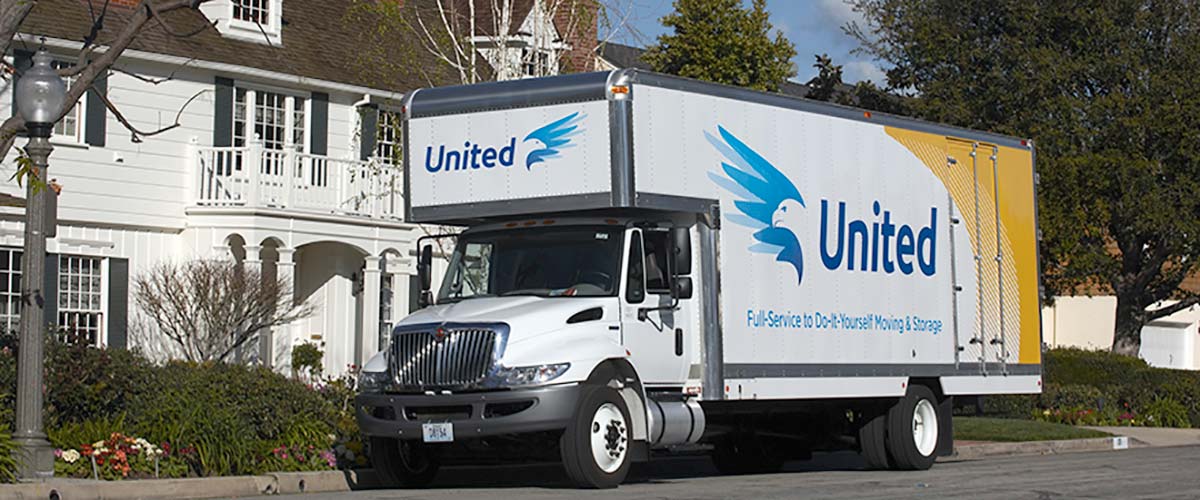
The United Van Lines 44th Annual National Movers Study is out. Wisconsin closed out this hectic year with roughly the same number of inbound movers as outbound movers, a trend that’s continued over the past decade.
Job opportunities were the primary reason for moving for both inbound and outbound movers. Nearly half of all residents cited employment as their main push or pull factor.
The chaos caused by Covid-19 had an impact on moving as well, accelerating trends observed over the previous few years: movers are primarily heading south and west and away from major metropolitan areas.
The top inbound states of 2020 were:
- Idaho
- South Carolina
- Oregon
- South Dakota
- Arizona
- North Carolina
- Tennessee
- Alabama
- Florida
- Arkansas
The top outbound states for 2020 were:
- New Jersey
- New York
- Illinois
- Connecticut
- California
- Kansas
- North Dakota
- Massachusetts
- Ohio
- Maryland
Coronavirus Disease 2019 (COVID-19) – Resources for Home
Schroeder Moving wants to ensure that homeowners are prepared for the COVID-19 outbreak. Here is a guide from the Center for Disease Control on how to plan, prepare, and respond to Coronavirus Disease 2019.
https://www.cdc.gov/coronavirus/2019-ncov/community/home/index.html
Coronavirus Disease 2019 (COVID-19) – Resources for Home

Schroeder Moving wants to ensure that homeowners are prepared for the COVID-19 outbreak. Here is a guide from the Center for Disease Control on how to plan, prepare, and respond to Coronavirus Disease 2019.
https://www.cdc.gov/coronavirus/2019-ncov/community/home/index.html